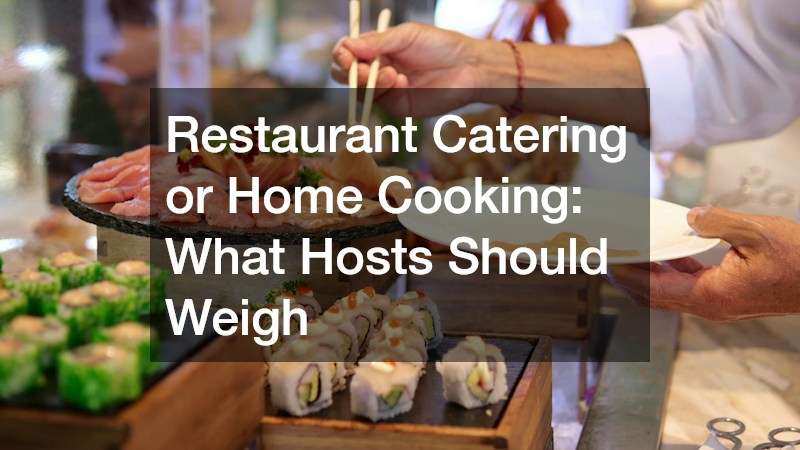

Planning a gathering brings one big decision that shapes everything else: who does the cooking? Hosts often find themselves torn between the convenience of hiring outside help and the personal touch of preparing food themselves. The right choice depends on your budget, timeline, kitchen space, and how much stress you’re willing to take on. This guide breaks down the real tradeoffs so you can decide with confidence instead of guesswork.
Comparing Total Costs of Each Option
Money is usually the first factor hosts consider, but the comparison is rarely as simple as it looks on paper. Home cooking can seem cheaper until you tally up ingredients, serving dishes, rental equipment, and the value of your own time spent shopping and prepping. A dinner for 20 that looks like $150 in groceries can easily double once you factor in chafing dishes, coolers, extra platters, and the gas or delivery fees for hauling it all. Catering often bundles food, service staff, and cleanup into one price, which can actually save money for larger events despite the higher sticker shock upfront. Many caterers charge per person, typically somewhere between $20 and $75 depending on the menu and service style, and that figure usually includes setup, serving, and breakdown that would otherwise cost you hours of labor or a rented crew. It helps to run the numbers both ways before deciding. Add up grocery receipts, disposable or rented serveware, any appliances you’d need to borrow or buy, and a fair hourly rate for your own prep and cleanup time, then compare that total to a catering quote for the same guest count. Guest count matters more than most hosts expect. For a small gathering of eight to ten people, home cooking almost always wins on cost; for fifty or more, the labor and equipment savings from catering frequently tip the scale, even if the per-plate price feels steep at first glance.
Before deciding, it helps to request quotes and compare them against a realistic grocery budget for your guest count. Catering quotes typically run $20 to $50 per person depending on menu complexity, service style, and region, while home cooking might average $10 to $20 per person in groceries alone—but that gap narrows once you factor in everything else involved. Hidden costs on both sides can quietly inflate your final spending. Catering fees often exclude gratuity, delivery, rental equipment like chafing dishes or linens, and staffing for setup and cleanup, so ask for an itemized breakdown rather than a flat total. Home cooking hides its own extras, including specialty ingredients you’ll only use once, disposable serving trays, ice, extra propane or oven time, and the beverages and desserts that often get forgotten in the initial budget. Don’t overlook the cost of your own time and stress tolerance, either. A day spent cooking and cleaning has real value, especially if it means taking time off work or sacrificing sleep before the event. Weighing that trade-off honestly, alongside the dollar figures, gives you a far more accurate picture of which option truly costs less.
- Rental fees for chafing dishes, coolers, or extra serving platters — often $10-$25 per item, adding up fast for a 20+ guest gathering
- Grocery price fluctuations for seasonal or specialty ingredients, especially proteins like seafood or beef tenderloin that swing widely by season
- Delivery, setup, and gratuity charges added to catering invoices, which can tack on 20-30% beyond the quoted per-plate price
- Taxes and service fees that caterers may list separately, so always ask for an all-in total before comparing quotes
- Time cost of shopping, cooking, and cleaning if you go the DIY route — often 8-10 hours for a mid-sized party
- Cost of borrowed or rented labor, like hiring a friend or teenager to help serve and clean up if you’re cooking solo
Weighing Time and Effort Commitments
Cooking for a crowd takes far more time than cooking for a family dinner, and many hosts underestimate the hours involved in shopping, prepping, and executing a multi-dish menu. If you’re already managing invitations, decorations, and logistics, adding hours of kitchen work can leave you exhausted before guests even arrive. Catering removes that burden almost entirely, letting you focus on hosting rather than cooking.
On the other hand, some hosts genuinely enjoy the process and find cooking to be part of the celebration rather than a chore. If that’s you, home cooking might add meaning to the event instead of stress. The key is being honest about how much time you actually have leading up to the day.
Matching Food Quality to Guest Expectations
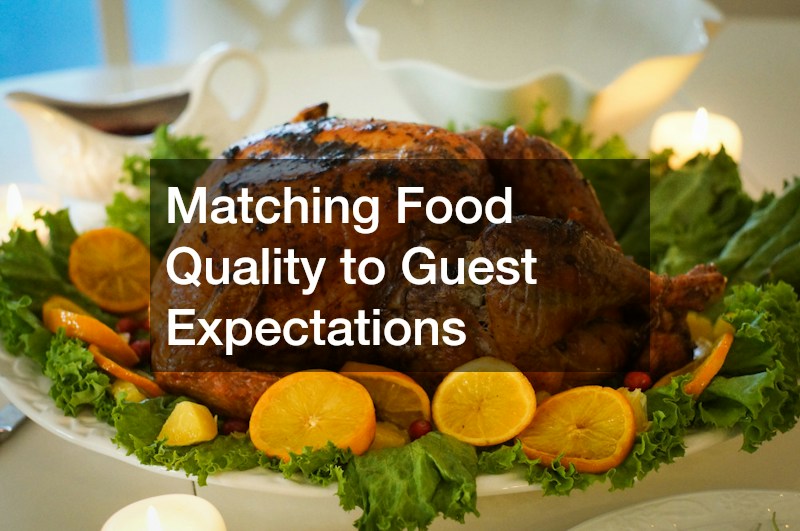
Guests notice food quality, whether they say so out loud or not, and this is where many hosts start researching caterers more seriously. Browsing reviews for some of the best restaurants in your area can actually give you a shortcut, since many now offer catering menus built from their most popular dishes. This route lets you serve professionally prepared food without needing a private chef, and it often impresses guests who recognize the name or cuisine style.
Home cooking, meanwhile, offers something restaurants can’t always replicate: personal recipes tied to family history or cultural tradition. A homemade dish made with care can carry emotional weight that a catered tray simply doesn’t. Consider what matters more for your event, polish or personal connection.
Assessing Kitchen Space and Equipment Limits
Your kitchen’s physical limitations play a bigger role in this decision than most hosts realize until the day of the event. Small ovens, limited counter space, and a shortage of serving dishes can turn a home-cooked plan into a logistical headache. Catering companies bring their own equipment and often handle setup and breakdown, which sidesteps this problem entirely.
If you’re set on cooking at home, doing an honest inventory of your kitchen capacity ahead of time prevents last-minute scrambling. Small adjustments can make a noticeable difference in how smoothly the event runs.
- Count usable oven and stovetop space for simultaneous cooking
- Check whether you have enough serving platters and utensils
- Plan for refrigeration space for make-ahead dishes
- Consider borrowing or renting equipment for larger guest counts
Handling Dietary Restrictions and Menu Variety
Modern guest lists often include a mix of dietary needs, from gluten-free to vegan to nut allergies, and accommodating everyone can be tricky no matter which route you choose. Caterers with experience handling large events typically have systems in place for labeling dishes and preventing cross-contamination. This can be a major relief for hosts who are nervous about accidentally serving something unsafe to a guest with allergies.
Cooking at home gives you tighter control over every ingredient, which some hosts prefer when a guest has a serious or complex restriction. It does require more research and planning, though, especially if you’re unfamiliar with substitute ingredients. Either way, communicating with guests ahead of time about their needs is essential.
Deciding Based on Event Size and Occasion
The scale and formality of your event often points clearly toward one option over the other. A small family dinner rarely justifies the cost or logistics of catering, while a wedding or milestone birthday with fifty or more guests can quickly overwhelm a home kitchen. Matching the option to the occasion prevents both overspending and unnecessary stress.
Think about how much attention you want to give your guests versus your stove. A larger, more formal event often benefits from outside help so you can actually enjoy the celebration you’re hosting.
- Small gatherings under fifteen guests often suit home cooking
- Larger events benefit from catering’s built-in staff and logistics
- Formal occasions may call for a more polished, professional presentation
- Casual get-togethers can lean on simple homemade dishes without pressure
There’s no universally right answer between catering and home cooking, only the choice that fits your budget, timeline, and the type of event you’re hosting. Take stock of your kitchen, your guest list, and how much time you realistically have before deciding. Whichever path you choose, planning ahead is what turns a stressful event into an enjoyable one for both you and your guests.