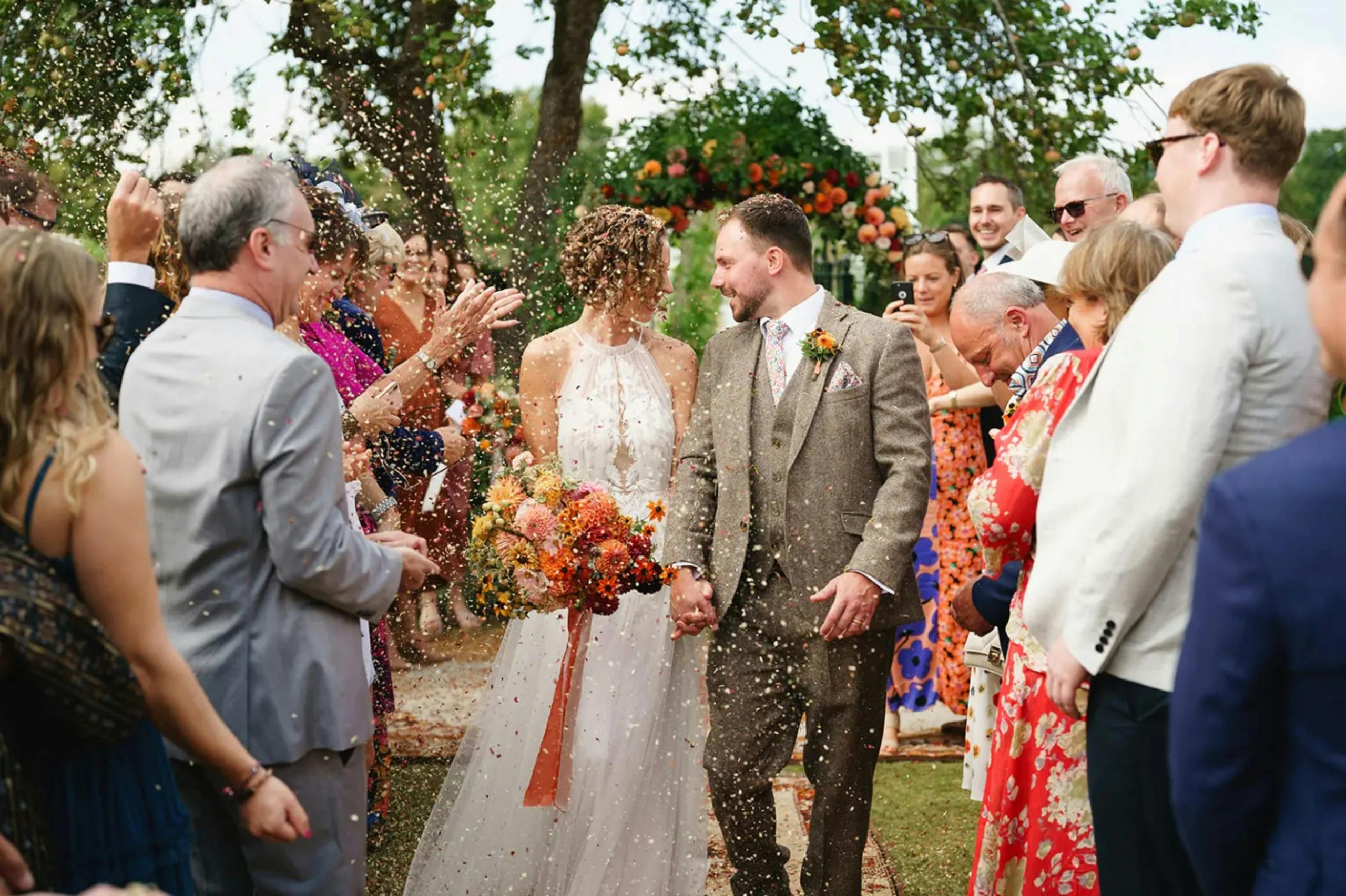
Wedding planning often begins with excitement, inspiration boards, and shared dreams, but it can quickly become overwhelming when details pile up. Couples are asked to make decisions across design, logistics, personal care, transportation, and guest experience—often all at the same time. Without structure, even simple tasks can feel urgent, leading to stress and burnout. A calm planning approach starts with organization, realistic timelines, and intentional sequencing rather than rushing from one decision to the next.
The most successful wedding plans are built like checklists rather than wish lists. Instead of focusing on everything at once, couples benefit from grouping related decisions together and addressing them in the right order. Style choices affect logistics, personal preparation influences scheduling, and service coordination impacts guest comfort. When these areas are planned in isolation, conflicts arise. When they are coordinated, planning becomes far more manageable.
This guide is designed to help couples slow the process down without losing momentum. Each section focuses on a specific category of planning—style, health, transportation, or services—and explains how to address it calmly and intentionally. By following a structured checklist mindset, couples can enjoy the journey toward their wedding day instead of feeling overwhelmed by it.
Organizing Printed Details and Visual Consistency
Printed materials often seem like small details until they start multiplying. Invitations, programs, signage, favors, and welcome materials all require decisions around design, quantity, and timing. Couples who delay these choices often find themselves rushing approvals or reordering items close to the wedding date. A calm approach begins with identifying which printed items truly matter for the event.
Using custom screen printing for select wedding elements allows couples to maintain visual consistency across different materials. When designs are finalized early, printing timelines become predictable and stress-free. Planning these details well in advance ensures accuracy and avoids last-minute corrections.
By grouping all printed materials into one planning phase, couples reduce decision fatigue. Once designs are approved and production is scheduled, this category can be confidently checked off the list, freeing mental space for other priorities.
Visual details influence how guests experience a wedding, even when they are subtle. Consistency across printed items helps create a cohesive atmosphere that feels intentional rather than pieced together. Couples who define a visual direction early find it easier to make decisions later without second-guessing themselves.
Organization is key when managing design elements. Keeping a central record of fonts, colors, and layouts prevents confusion when multiple items are produced over time. This approach also simplifies communication with vendors and reduces the risk of inconsistencies slipping through.
By treating visual planning as a defined phase rather than an ongoing concern, couples regain mental clarity. Once decisions are finalized, they can confidently move on to other priorities knowing the aesthetic foundation is secure.
Elevating Stationery and Keepsakes Thoughtfully

Some wedding details are meant to feel elevated and timeless. Stationery, menus, and keepsakes often fall into this category. These elements benefit from careful consideration rather than rushed selection. Couples who take time to align materials, textures, and finishes often feel more satisfied with the final result.
Incorporating foil stamping into select paper goods can add dimension and refinement without overwhelming the overall design. Planning this early allows couples to see proofs, request adjustments, and confirm quantities comfortably. Rushing specialty finishes often leads to compromises.
Treating stationery as part of a broader design plan keeps decisions intentional. When couples choose which items deserve special attention, they avoid overcomplicating the process while still achieving a polished look.
Stationery often carries emotional significance long after the wedding ends. Invitations and keepsakes become reminders of a meaningful moment, which is why thoughtful planning matters. Couples benefit from considering which pieces are worth preserving and which serve a purely functional role.
Spacing out decisions related to stationery allows couples to reflect rather than rush. Reviewing samples, testing layouts, and approving finishes with time to spare leads to greater satisfaction. This slower pace also leaves room for collaboration and creative input. When couples plan these elements intentionally, they avoid unnecessary complexity. Choosing a few standout pieces instead of overextending keeps the process manageable while still achieving an elevated feel.
Planning Major Dental Work Early
Personal confidence plays a significant role in how couples feel on their wedding day. Health-related preparations, especially those involving recovery or adjustments, should be addressed as early as possible. Waiting too long often creates unnecessary pressure.
For couples considering dental implants, early planning is essential due to the multi-stage nature of the process. Addressing major procedures well in advance allows healing to occur gradually and comfortably, long before engagement photos or final fittings. By handling significant health decisions early, couples eliminate uncertainty later. This proactive approach creates peace of mind and allows personal preparation to feel calm rather than rushed.
Health-related planning is often most effective when it is approached quietly and early. Addressing personal concerns ahead of time allows couples to focus on celebration later without lingering uncertainty. This approach also reduces the emotional load during already busy months. Early preparation provides flexibility. If adjustments or follow-ups are needed, there is time to respond without pressure. Couples who plan proactively often feel a sense of relief once these matters are handled. By prioritizing long-term well-being early, couples protect both physical comfort and emotional confidence. This foresight supports a more relaxed planning experience overall.
Coordinating Water-Based Experiences and Transportation
Some weddings include water-based activities or scenic transportation elements that require additional planning. These experiences often involve timing, guest safety, and logistical coordination that should be addressed early. In certain settings, pontoon boats may be used for transportation, photos, or pre-wedding gatherings. Planning these details in advance ensures availability, proper scheduling, and alignment with the overall event timeline. By confirming transportation logistics early, couples prevent conflicts with ceremony timing or guest arrival. Thoughtful coordination ensures these experiences enhance the celebration instead of complicating it.
Experiential elements add character to a wedding, but they require careful coordination. Transportation timing, guest flow, and safety considerations all benefit from advance planning. Couples who address these details early avoid logistical complications later.
Clear communication with all parties involved ensures alignment. When everyone understands the schedule and expectations, transitions feel seamless rather than rushed. This clarity also reduces the likelihood of delays affecting other parts of the day. Thoughtful planning allows experiential elements to enhance the celebration instead of overshadowing it. When logistics are handled calmly, couples and guests can simply enjoy the moment.
Managing Routine Dental Care Alongside Planning
Not all personal preparation involves major procedures. Routine health maintenance also plays an important role in overall confidence and comfort leading up to the wedding. These tasks are easiest to manage when scheduled early.
Coordinating dental services as part of a broader wellness timeline helps couples avoid overlapping appointments during the busiest planning months. Routine visits feel far less stressful when they are not squeezed between fittings or vendor meetings. Including regular care in the planning checklist supports long-term comfort and peace of mind. These small steps help couples feel prepared without adding pressure close to the wedding day. Routine health care can easily be overlooked during wedding planning, yet neglecting it often leads to avoidable stress. Scheduling appointments early prevents them from competing with more demanding commitments later.
Consistency is especially helpful during busy seasons. When care is planned ahead, it becomes part of the routine rather than an interruption. This stability supports both physical comfort and mental clarity. By integrating routine care into the planning timeline, couples maintain balance. Small, proactive steps reduce the risk of last-minute concerns and support overall well-being.
Preparing Vehicles for Wedding-Week Transportation

Transportation often becomes more visible during wedding week. Vehicles may be used for arrivals, departures, or guest coordination, making appearance and reliability more noticeable.
Scheduling an auto detailing service ahead of time ensures vehicles are clean and presentable without becoming a last-minute concern. Planning this service early allows flexibility and avoids conflicts with other responsibilities. By addressing transportation preparation in advance, couples eliminate unnecessary stress during the final days. Clear planning ensures smooth movement throughout the event.
Transportation logistics often intensify during the final weeks before a wedding. Vehicles may be used more frequently, driven by different people, or seen by guests. Preparing in advance prevents transportation from becoming a distraction. Scheduling preparation early provides flexibility if plans change. It also ensures vehicles are ready without adding pressure during the final countdown. Couples who plan ahead often feel more confident moving through wedding week. When transportation details are handled calmly, they fade into the background—exactly where they belong. This allows couples to focus on people and moments rather than logistics.
Planning Cleanup and Post-Event Logistics
Cleanup is rarely a priority during early planning, but ignoring it can create significant stress after the celebration ends. Couples benefit from addressing post-event logistics as part of their checklist. Arranging local garbage collection ahead of time ensures a smooth transition once the event concludes. Knowing exactly how waste will be handled prevents confusion and rushed decisions late at night.
When cleanup responsibilities are clearly defined, couples can enjoy the final moments of their celebration without worrying about what comes next. End-of-event logistics are often forgotten until the celebration is nearly over. Without a plan, the transition from celebration to cleanup can feel abrupt and stressful. Addressing these details early creates a sense of closure and control.
Clear delegation is essential. Knowing who is responsible for what prevents confusion and ensures everything runs smoothly even when energy levels are low. This preparation also respects venue requirements and timelines. When cleanup is planned thoughtfully, couples can leave the event with peace of mind. The celebration ends on a calm note rather than a rushed one.
Coordinating Professional Support and Oversight
Many couples choose to work with professionals who help keep planning organized and timelines on track. Clear communication and early involvement make these relationships most effective. Working with a local wedding planner allows couples to delegate logistics while maintaining clarity and control. Early coordination ensures expectations are aligned and responsibilities are clearly defined. When professional support is integrated early, planning feels collaborative rather than reactive. This structure supports calm decision-making throughout the process.
Supporting Physical Well-Being During Planning
Wedding planning can be physically demanding, especially when stress accumulates over time. Couples benefit from prioritizing physical well-being as part of their preparation. Some couples consult local chiropractors to support posture, mobility, and comfort during long planning days. Scheduling care early allows routines to develop gradually.
Supporting physical health helps couples maintain energy and focus. When well-being is prioritized, planning becomes more sustainable and enjoyable. Professional support works best when expectations are clearly defined from the start. Early coordination allows roles to be established and boundaries respected. This clarity prevents overlap and confusion later.
Couples benefit from documenting decisions and timelines. Shared reference points make collaboration smoother and reduce the need for repeated explanations. This organization also supports accountability across the planning process. When professional relationships are structured early, couples experience greater confidence. Planning feels guided rather than overwhelming, allowing them to remain engaged without being consumed by details.
Scheduling Aesthetic and Wellness Treatments Wisely
Wellness and appearance-focused treatments often require multiple sessions or recovery time. These services should be scheduled with intention rather than urgency. Visiting med spas as part of a long-term preparation plan allows treatments to settle naturally. Planning these appointments early prevents overlap with high-stress periods.
When wellness care is scheduled calmly, it becomes a confidence boost rather than a source of pressure. Thoughtful timing supports both appearance and emotional balance. A calm wedding planning process is built on structure, sequencing, and realistic expectations. When couples approach planning as a checklist rather than a race, stress decreases and confidence grows. Each decision becomes more manageable when addressed in the right order.
By coordinating style, services, and special touches intentionally, couples avoid last-minute pressure and decision fatigue. Planning ahead creates space for joy, connection, and presence throughout the journey. Ultimately, calm planning leads to a more meaningful celebration. When details are organized thoughtfully, couples are free to focus on what truly matters—celebrating their commitment surrounded by the people they love.