
Shopping for vintage bridal rings and jewelry can feel like navigating a maze of eras, materials, and price tags with no clear map. Whether you have inherited a family piece or are hunting for a one-of-a-kind engagement ring, knowing what questions to ask and where to look makes all the difference between a treasured heirloom and an overpriced disappointment. This guide walks you through the practical steps smart shoppers take, from authentication to appraisal to planning the celebration around the ring itself. By the end, you will feel confident making a decision that fits your budget, your style, and your story.
Understanding Different Vintage Jewelry Eras
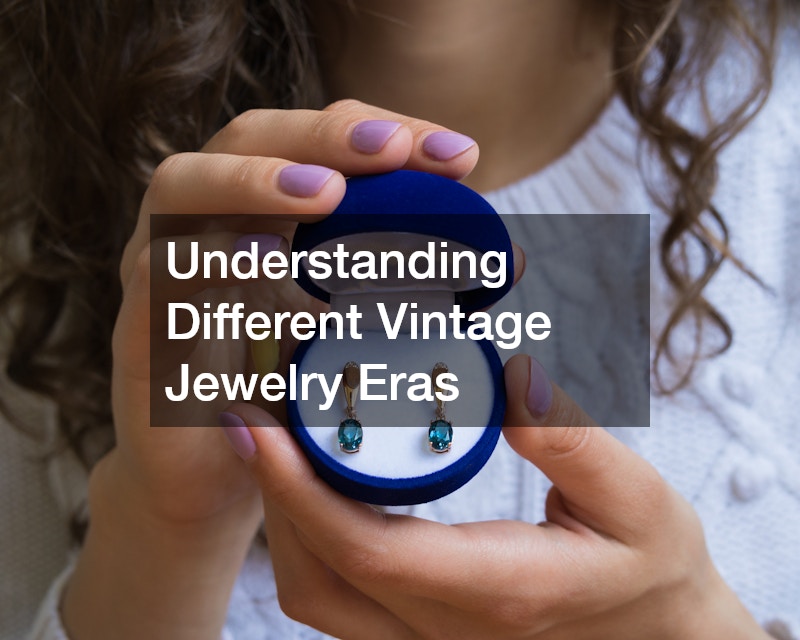
Vintage jewelry is generally grouped into recognizable periods, and knowing the difference helps you spot authenticity and value at a glance. Each era reflects the materials, technology, and cultural tastes of its time, so learning to date a piece by sight can save you from overpaying for a reproduction.
Edwardian pieces (roughly 1901-1915) favor delicate filigree and platinum settings, often accented with old European cut diamonds and milgrain edging. This was one of the first periods where platinum’s strength allowed jewelers to create lacy, lightweight designs that would have been impossible in gold.
Art Deco rings, popular from the 1920s through the mid-1930s, feature bold geometric lines and contrasting gemstones like sapphires paired with diamonds. Symmetry is a hallmark of this era, so look for step-cuts, baguettes, and clean architectural shapes reminiscent of the design movement’s skyscraper aesthetic.
Retro-era jewelry from the 1940s often uses larger, more sculptural gold designs, typically in rose or yellow gold, because platinum was restricted for military use during wartime. Ring settings from this period frequently include chunky scrollwork, ribbon motifs, and synthetic rubies or citrines, reflecting both material shortages and a taste for dramatic, oversized style.
Learning these visual cues before you shop gives you an instant advantage when comparing bridal rings across different sellers. A quick mental checklist — metal type, cut style, and overall silhouette — can help you narrow down an era within seconds and negotiate with confidence.
It also helps to understand that “vintage” and “antique” are not interchangeable terms, even though sellers sometimes use them loosely. Antique generally means a piece is at least 100 years old, while vintage typically refers to jewelry made 20 to 99 years ago. Some dealers add a third category, “retro,” for pieces from roughly the 1930s to 1950s, which adds even more confusion for casual shoppers.
This distinction can significantly affect price, so always ask for the specific decade or era rather than accepting a vague label. Recognizing the hallmarks of major eras can also help you spot mislabeled pieces. Edwardian jewelry (1901-1915) tends to feature platinum, filigree work, and delicate milgrain edging. Art Deco pieces (1920s-1930s) favor geometric shapes, bold color contrasts, and step-cut stones. Retro jewelry (1935-1950s) often uses rose gold and chunky, sculptural designs, while Mid-Century pieces (1950s-1960s) lean toward more naturalistic, textured motifs.
Knowing these style markers gives you a second layer of verification beyond the seller’s word. If someone describes a piece as “Art Deco” but it’s set in yellow gold with rounded, organic curves, that’s a red flag worth investigating further. Cross-referencing the claimed era with its expected design language protects you from paying antique prices for a newer reproduction.
- Edwardian (1901-1915): platinum enabled delicate filigree work impossible with earlier metals, plus milgrain edges and lace-like openwork; look for old European or rose-cut diamonds
- Art Deco (1920s-1930s): bold geometric shapes, contrasting stones like sapphire-and-diamond pairings, and symmetrical step-cut or baguette details reflecting the machine-age aesthetic
- Retro (1935-1950): chunky yellow and rose gold designs born from wartime platinum shortages, often featuring large center stones and stylized bow or scroll motifs
- Mid-Century (1950s-1960s): mixed metals, statement prong settings, and cocktail-ring influence with an emphasis on brilliance and bold scale over intricate detail
- Quick dating tip: check hallmarks, prong style, and stone cuts together, since eras often overlap and reproductions can blur the lines
Verifying Authenticity Before You Buy
Authenticity verification protects you from paying antique prices for a modern reproduction. Look for hallmarks stamped inside the band, which indicate metal purity and sometimes the maker or country of origin. A loupe or jeweler’s magnifier can reveal tool marks, which differ significantly between hand-cut vintage settings and machine-made modern replicas. If a seller cannot explain a piece’s provenance or hallmark meaning, treat that as a warning sign rather than a minor detail.
Many serious buyers choose to have a piece independently evaluated before finalizing a purchase, especially for higher-value estate jewelry. A certified gemologist can confirm whether stones are original to the setting or have been replaced over time, which affects both value and historical accuracy. This extra step costs a small fee but can save you from a costly mistake down the road.
Working With a Reputable Buyer
If you are selling an inherited piece or trading in an old ring toward a new purchase, choosing the right professional matters as much as choosing the right buyer. A reputable jewelry buyer will assess metal weight, gemstone quality, and historical significance separately, rather than offering one lump sum without explanation. Always request a written breakdown of how they arrived at their offer so you can compare it against other appraisals.
It is worth getting at least two or three independent opinions before accepting an offer, since valuations can vary widely depending on the buyer’s specialty and current market demand. Some buyers focus primarily on melt value, while others recognize and pay a premium for designer or period-specific craftsmanship. Taking the time to shop your piece around often results in a noticeably better outcome.
- Ask for a written itemized appraisal, not just a verbal number
- Confirm whether the offer reflects melt value or collector value
- Check reviews and industry certifications before committing
- Get multiple quotes before accepting the first offer
Exploring Antique Stores for Hidden Finds
Beyond dedicated jewelers, browsing local antique stores can turn up surprisingly well-preserved vintage pieces at a fraction of retail cost. Shop owners who specialize in estate collections often know the history behind individual items, including previous owners or the region where a piece was originally crafted. Building a relationship with a trusted shop owner can also mean getting a call when a new estate collection comes in before it hits the general market.
When browsing in person, take your time examining settings under natural light, since fluorescent store lighting can distort how a stone’s color truly appears. Bring a small notebook or use your phone to track pieces you like across multiple visits, since prices and inventory shift quickly in this space. Patience tends to reward buyers who are willing to visit several shops rather than settling on the first appealing option.
- Ask shop owners about provenance and prior ownership history
- Examine stones in natural daylight whenever possible
- Return to promising shops periodically as new inventory arrives
- Ask whether the shop offers appraisal documentation or authentication support
Setting a Realistic Budget for Your Purchase

Vintage pieces can range from a few hundred dollars for simple bands to tens of thousands for rare designer finds, so establishing a clear budget early prevents overspending. Factor in not just the purchase price but also potential restoration, resizing, and insurance costs that often follow a vintage acquisition, along with wedding-day extras like limo services that can quietly add up alongside the ring budget. Setting aside roughly ten to fifteen percent of your total budget for these extras is a reasonable starting point for most buyers.
It also helps to separate your must-have features from nice-to-have details, since vintage inventory is limited and rarely offers every feature at once. Deciding in advance whether era authenticity, stone size, or metal type matters most to you will make in-store decisions much faster and less stressful.
Planning the Proposal Around the Ring
Once you have chosen the ring, many couples like to plan a memorable moment to match the significance of the purchase. Since a vintage ring often carries its own history, some soon-to-be fiancés want the proposal setting to feel just as special, whether that means a grand gesture or a quiet, personal exchange.
Some opt for a scenic getaway, arranging cruise transportation to a favorite coastal destination where the proposal can happen against an open horizon. A sunset departure or a private balcony moment can add a cinematic backdrop, and many cruise lines even offer champagne service or photography packages for couples celebrating an engagement onboard.
Others prefer something closer to home, booking a restaurant reservation at a favorite spot to keep the moment intimate and familiar. Requesting a quiet corner table, arranging for a special dessert course, or timing the evening around an anniversary can turn an ordinary dinner into a lasting memory.
Whichever route a couple chooses, it helps to think about weather, timing, and privacy well in advance. A quick call to confirm details, whether with the restaurant’s host or the cruise line’s concierge, can prevent last-minute surprises and let the ring itself take center stage.
For couples who want a touch of elegance without a full getaway, revisiting the place they had their first date can add a meaningful, sentimental feel before or after the big question. This could mean the coffee shop where you first talked for hours, the park bench from an early walk, or even the parking lot where an awkward first goodbye happened. Familiar, low-key locations often carry more emotional weight than an unfamiliar luxury venue, and they tend to feel more natural for the vintage ring itself, which usually photographs beautifully in warm, intimate settings rather than sterile or overly staged ones.
Bringing a small bouquet of the partner’s favorite flowers or arranging for a photographer to quietly capture the moment often makes memories feel more special without requiring a large budget. Many local photographers offer “proposal packages” for $150 to $400 that include an hour of discreet shooting, which is far less expensive than a full engagement session and gives you candid reactions rather than posed shots. If a hired photographer isn’t in the budget, a trusted friend with a good phone camera stationed a short distance away can capture the moment just as effectively.
A few practical details are worth planning ahead of time: check the ring size discreetly weeks in advance, since vintage rings often run smaller than modern sizing standards and resizing can take one to two weeks. Have a backup plan for weather if the proposal is outdoors, and consider the time of day, since golden hour lighting in the late afternoon tends to flatter both photos and the antique details of the ring.
The key is matching the setting and details to the couple’s personality rather than following a generic template. A quiet, unhurried moment at home can mean just as much as an elaborate outing, especially when the ring itself already carries history and meaning.
Choosing a Memorable Setting for the Celebration
After the ring is chosen and the proposal is planned, many couples turn their attention to where they will celebrate with family and friends. Waterfront dining venues remain a popular choice because the open view and cooler evening air create a naturally romantic backdrop for photos and toasts. Booking early is important, since popular waterfront spots fill up quickly during peak engagement seasons like spring and early summer.
Food preferences also shape the celebration, and many couples choose a theme that reflects their relationship rather than a generic banquet menu. A relaxed gathering featuring mexican food with shared appetizers and a casual atmosphere can feel more personal than a formal sit-down dinner. Matching the venue and menu to the couple’s everyday tastes tends to create a more authentic and memorable event.
Coordinating Larger Engagement Gatherings
For couples who want to celebrate with a larger group right away, coordinating food logistics becomes a bigger consideration. Hiring a corporate catering service is not just for office events; many of these companies also handle private engagement parties with the same level of organization and professionalism. This option is especially useful when celebrating at a private home or rented venue without an on-site kitchen.
Decor also plays a role in setting the mood for a larger gathering, and many hosts turn to garden centers for fresh flowers, potted arrangements, and seasonal greenery that can transform a backyard or patio. Choosing seasonal blooms rather than imported specialty flowers usually keeps costs lower while still creating a polished look. Coordinating catering and decor together, rather than as separate last-minute tasks, tends to produce a smoother and more cohesive event.
- Request a tasting session before finalizing any catering menu
- Ask about staffing and cleanup services included in the package
- Choose seasonal flowers to control decor costs
- Confirm delivery and setup times align with your event schedule
Buying vintage bridal rings and jewelry is ultimately about balancing sentiment, authenticity, and practical budgeting, and doing your homework at each step pays off long after the purchase. Take time to verify authenticity, compare offers, and explore multiple shopping avenues before committing to a piece that will carry decades of meaning. Once the ring is chosen, put the same care into planning the moments that surround it, from the proposal itself to the celebration that follows. With a clear plan and informed choices, you can create both a beautiful piece of jewelry and a memory that lasts just as long.