

Planning a wedding requires balancing emotion with execution. While the day itself may feel fleeting, the months leading up to it involve dozens of decisions that affect how smoothly everything unfolds. From personal preparation to vendor coordination and post-wedding logistics, success lies in thoughtful planning and realistic timelines.
This guide walks couples through every major phase of wedding preparation, offering practical advice to help you stay organized, reduce stress, and create a celebration that feels seamless from start to finish.

Establishing a Beauty Timeline That Supports Confidence and Comfort
Your wedding-day look should feel like an elevated version of yourself, not a rushed transformation. The key is starting early and building a beauty timeline that allows for flexibility and adjustments.
For brides dealing with hair thinning, medical hair loss, or major style changes, professional wigs offer customizable, natural-looking solutions that require fittings and trial styling well in advance. If wellness goals are part of your engagement journey, structured weight loss programs can help support gradual, sustainable changes when started early and managed responsibly.
Spacing out beauty decisions allows you to focus on feeling confident and comfortable rather than pressured as the wedding date approaches.
Selecting Meaningful Jewelry That Lasts Beyond the Wedding Day
Wedding jewelry is one of the few elements of your celebration that carries forward into everyday life. Choosing pieces with intention ensures they remain meaningful long after the ceremony ends.
Working with a custom jewelry store allows couples to design rings or accessories that reflect their personal story, values, and style preferences. Custom options also provide flexibility with materials, ethical sourcing, and long-term durability. Even off-the-shelf pieces should be purchased early enough to allow for resizing, engraving, or restoration of heirloom items.
Thoughtful jewelry planning blends sentiment with practicality, ensuring comfort and longevity.
Creating a Wedding Website That Reduces Guest Confusion
A wedding website acts as the central source of truth for your guests. When done well, it minimizes repetitive questions and helps everyone arrive informed and prepared.
Professional web design services can help create a clean, mobile-friendly site that aligns visually with your wedding theme. Include essential details such as venue addresses, schedules, accommodation options, dress codes, and registry information. Keep the site updated as plans evolve to avoid misinformation.
An intuitive website enhances the guest experience while saving you time and energy.

Planning Food Service That Matches Your Schedule and Guest Needs
Food plays a major role in how guests remember your wedding, but successful catering goes far beyond selecting appealing dishes. Timing, service style, portion pacing, and dietary inclusivity all influence the guest experience. Meals that are served too late, rushed, or poorly coordinated can create frustration, even if the food itself is excellent.
Experienced catering services can help you build a menu that aligns with your event timeline, season, and venue limitations. Discuss how meal service fits between key moments such as speeches, dances, and formalities to keep the energy flowing. Seasonal ingredients not only improve flavor but can also help manage costs and availability. Be sure to review allergy accommodations, cultural traditions, and vegetarian or vegan options, so all guests feel considered.
Service style also matters. Plated meals offer structure and elegance, while buffets and food stations provide flexibility and encourage movement. Ask about staffing ratios, kitchen logistics, and table-clearing timing to prevent long waits or interruptions. Clear planning ensures guests remain comfortable, satisfied, and engaged, without disrupting the rhythm or momentum of the celebration.
Coordinating Transportation to Keep the Day Running on Time
Transportation delays can quickly derail a carefully planned wedding timeline, creating unnecessary stress for both couples and guests. Coordinated travel ensures everyone arrives relaxed, prepared, and on schedule, allowing the day to flow smoothly from one moment to the next. Transportation planning should be treated as a core logistical element, not an afterthought.
Booking a professional limo rental service provides reliable transportation for the wedding party, immediate family members, and VIP guests. Beyond luxury, professional drivers offer punctuality, route familiarity, and contingency planning in case of traffic or unexpected delays. Confirm pickup locations, departure times, and return schedules well in advance, particularly if hair and makeup, photo sessions, and ceremony venues are in different locations.
If your wedding involves multiple venues, create a detailed transportation timeline and share it with all passengers. Include buffer time to account for loading, unloading, and potential delays. It’s also wise to designate a transportation coordinator or point person who can communicate with drivers and adjust plans as needed without involving the couple.
Clear communication prevents confusion and last-minute scrambling. When transportation is thoughtfully coordinated, everyone stays on schedule, energy remains high, and the focus stays where it belongs, on celebrating the day rather than managing logistics.
Renting Essential Event Items Without Overspending
Event rentals often make up a significant portion of the wedding budget, making it essential to rent strategically rather than excessively. Tables, chairs, linens, lighting, tents, and specialty décor can add up quickly, especially if items are selected without a clear plan. Thoughtful rental decisions help control costs while still achieving the desired look and guest experience.
Working with an experienced event rental company allows you to assess exactly what is needed based on your venue layout, guest count, and overall event flow. Many venues already include certain essentials, so confirm what’s provided before booking additional items. A rental professional can help you avoid duplications and recommend versatile pieces that serve multiple purposes, such as ceremony chairs that can be reused for the reception.
Carefully review rental contracts to understand minimum orders, damage policies, and overtime fees. Confirm delivery, setup, and pickup windows to ensure they align with venue access hours. For outdoor weddings, ask about weather-related contingencies, such as tent upgrades, sidewalls, or backup flooring options, so you’re prepared without overcommitting.
Smart rental planning balances comfort, aesthetics, and cost efficiency. By focusing on functional necessities and intentional design choices, you can create a polished environment that feels complete without straining your budget or overcomplicating logistics.
Centralizing Vendor Management to Avoid Miscommunication
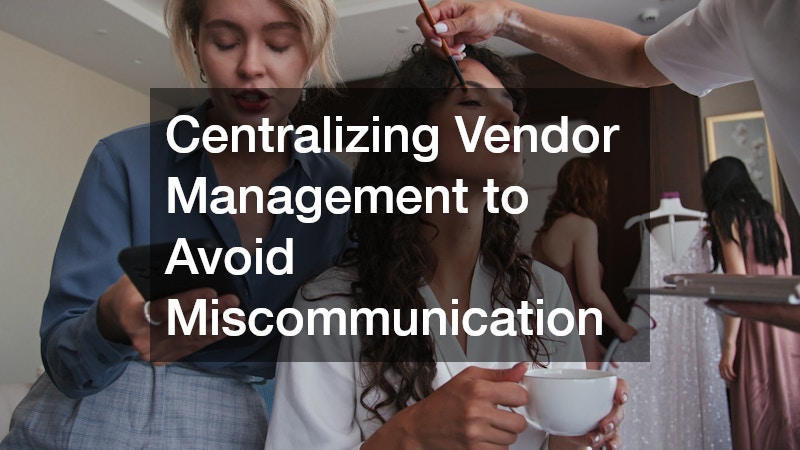
With multiple vendors involved, miscommunication is one of the biggest risks during wedding planning. Florists, caterers, rental teams, photographers, and venues all operate on precise schedules, and even small misunderstandings can cause delays or disruptions. Centralized coordination ensures that everyone is working from the same information and understands their role within the overall timeline.
Hiring an event organising company provides a single, reliable point of contact for scheduling, contracts, and day-of execution. These professionals consolidate communication, confirm vendor requirements, and distribute finalized timelines so no one is left guessing. They also manage load-in and load-out schedules, oversee setup order, and ensure vendors have access to the correct spaces at the right times. If a vendor runs late or an issue arises, the coordinator handles it discreetly without involving the couple.
For couples who prefer a hands-on approach, even partial planning or day-of coordination services can be invaluable. A coordinator can step in during the final weeks to confirm details, answer vendor questions, and manage execution on the wedding day itself. This allows couples to stay focused on the experience rather than logistics.
Strong coordination creates clarity and confidence for everyone involved. When vendors are aligned and communication flows smoothly, the entire event feels more polished, professional, and stress-free for couples and guests alike.
Storing Decor and Personal Items Safely Before and After the Event
Weddings often involve more physical items than couples expect, including décor, signage, favors, gifts, linens, and sentimental keepsakes. Without a clear storage plan, these items can quickly become disorganized, misplaced, or damaged during the busy days leading up to and following the celebration. Planning ensures everything is accounted for and handled with care.
Using professional storage facilities provides a secure, climate-controlled solution for housing items before setup and after teardown. Climate control is especially important for delicate materials such as florals, paper goods, candles, fabrics, and customized décor that can be affected by heat or humidity. Storage units also create a centralized location for vendors or helpers to retrieve items efficiently, reducing confusion during setup.
To stay organized, clearly label all containers and create a detailed inventory list noting where each item belongs and when it’s needed. Consider grouping décor by area—ceremony, cocktail hour, reception—to streamline transport and setup. After the event, storage becomes equally valuable, allowing you to collect gifts and décor without rushing to sort them immediately.
Storage is especially helpful for couples leaving straight for a honeymoon, giving you time to decompress before handling post-wedding tasks. Proper storage protects your investment, preserves meaningful items, and offers peace of mind during an otherwise hectic transition.
Planning Post-Wedding Transitions Without Added Stress
After the celebration ends, real-life logistics resume quickly, especially for couples relocating, downsizing, or combining households. Without planning, the transition from wedding festivities to everyday responsibilities can feel abrupt and overwhelming. Preparing for this phase ahead of time allows you to move forward calmly rather than scrambling once the event is over.
Booking reliable moving companies early gives you more flexibility in choosing dates that work around your wedding, honeymoon, and work schedules. Early reservations also provide access to better rates and preferred time slots, reducing the risk of rushed decisions. Before packing begins, take time to declutter together by donating, selling, or discarding items you no longer need. This not only lowers moving costs but also helps establish a shared sense of organization as you merge households.
If move-in dates don’t align perfectly, short-term solutions can prevent unnecessary stress. Temporary storage options allow you to store furniture, décor, or personal belongings safely until your new space is ready. Clearly labeling boxes and creating a basic inventory list will make unpacking far more manageable later.
Thoughtful planning ensures the transition into married life feels intentional rather than chaotic. By handling post-wedding logistics in advance, you create space to relax, settle in, and focus on building your new life together with confidence and ease.
Finalizing a Pre-Wedding Checklist That Keeps Everything Aligned
The final weeks before the wedding are about confirmation, not creation. This is the time to shift from planning new ideas to validating details, tightening timelines, and ensuring every moving part is accounted for. A comprehensive checklist acts as a safeguard, helping you catch small oversights before they become last-minute stressors.
Couples working with an event organising company should schedule a final walkthrough to review the complete timeline, vendor arrival times, setup and breakdown responsibilities, and emergency contingencies. This includes confirming who cues the ceremony, who handles vendor questions, and how unexpected issues, such as weather changes or delays, will be managed. Clear documentation prevents confusion and keeps everyone operating from the same plan.
For couples planning independently, it’s essential to delegate tasks effectively. Assign a trusted point person or coordinator to oversee the checklist on the wedding day so you’re not fielding logistical questions. Confirm final payments, review contracts one last time, and double-check seating charts, place cards, and vendor contact lists. Share the finalized schedule with your wedding party and immediate family so expectations are clear.
A strong final checklist provides peace of mind. When responsibilities are defined and details are confirmed, you’re free to be fully present, focused on the meaning of the day rather than managing its mechanics.
A successful wedding is the result of thoughtful preparation across every stage, from personal readiness to logistical execution. When beauty, coordination, and practical planning work together, the experience feels effortless for both couples and guests. Rather than reacting to last-minute challenges, couples who plan can make decisions calmly, thoroughly compare options, and choose vendors that truly align with their vision and priorities. This intentional approach reduces stress and creates a sense of control throughout the planning process.
By addressing each element early and with purpose, you give yourself the freedom to enjoy the journey instead of simply managing tasks. Thoughtful preparation allows time for meaningful conversations, creative refinement, and realistic budgeting, all of which contribute to a more cohesive event. It also ensures that your guests experience a well-paced celebration where transitions feel natural and details are thoughtfully executed.
Strong planning creates space for presence. When logistics are handled and expectations are clear, couples can focus on the emotional significance of the day, connecting with loved ones, savoring once-in-a-lifetime moments, and celebrating their commitment without distraction. The result is a wedding that not only looks beautiful but feels deeply personal, joyful, and memorable as you begin your life together.